iGaming Software & Platform: How to Choose the Right igaming Software Provider in 2026
Choosing the wrong iGaming software provider is the single most expensive mistake a new operator can make. This guide breaks down every platform model, major vendor, licensing dependency and hidden cost — so you can make the decision with your eyes open.

An iGaming software provider supplies the technical infrastructure that runs an online casino or sportsbook: the player-facing platform, back-office, game content, payment processing layer and, in many cases, a regulatory compliance framework. They range from full-stack vendors like SoftSwiss and EveryMatrix to specialists focused on a single layer — aggregation, CRM, or fraud tooling.
White-label is fastest and cheapest to launch (4–8 weeks, $10K–$50K setup) but leaves you on someone else's license and stack. Turnkey gives you your own brand and license with more flexibility ($150K–$500K, 6–12 months). A custom build is for operators with $1M+ and 18+ months — rarely the right call at launch.
SoftSwiss, EveryMatrix, and GR8 Tech are the most widely deployed full-stack platforms globally. Digitain and Delasport are strong in sportsbook-heavy deployments. BetConstruct and Slotegrator serve the white-label segment. The real differentiator is not feature parity — they all have bonus engines and CRMs — it is payment coverage, aggregator depth, and how well the vendor supports your target jurisdiction.
Your platform provider determines which licenses you can realistically hold. White-label operators inherit the provider's master license — typically Curaçao or MGA — and cannot independently hold a US state license, a Coljuegos license, or an MGA license in their own name. If you have a specific regulated market target, you must confirm the platform supports that jurisdiction before signing anything.
A game aggregator connects your platform to dozens or hundreds of game studios through a single API integration, handling certification, revenue reporting, and currency conversion in the background. Yes, you need one at launch — building direct studio integrations takes 3–6 months per studio and is economically irrational until you are above $10M annual GGR.
Payment stack flexibility — specifically the ability to add local payment methods and crypto rails without renegotiating your platform contract — is the single most overlooked factor in platform selection. Operators in LATAM, Southeast Asia, and crypto-first markets regularly discover their platform's payment layer is a bottleneck after launch, when fixing it is expensive and disruptive.
Expect a setup fee of $10K–$500K depending on model, a monthly platform fee or revenue share of 5–25% of GGR, aggregator fees of 1–3% on top, plus payment processing costs of 2–5% per transaction. The number vendors quote in a sales deck is never the number you actually pay at scale — understand the full cost stack before you sign.
Uptime SLAs, incident response time, and the quality of your dedicated account manager matter more than any feature in a demo. Ask for the last 12 months of uptime data, references from operators of similar size in your target market, and a clear escalation path for payment or game outages — before you sign.
Casino platforms manage RNG game sessions, bonus wagering, and player wallets. Sportsbook platforms handle odds feeds, risk management, and live betting settlement — entirely different technical problems. Most operators launching in 2026 should start with casino-only and add sportsbook later, unless their target market is sportsbook-dominant.
White-label launches run 4–8 weeks from contract signing to go-live if you have your content and payment methods ready. Turnkey builds take 3–6 months. Licensing is the wildcard — Curaçao can take 4–8 weeks, MGA takes 6–12 months, and US state licenses can take 12–24 months. The platform is rarely the bottleneck; licensing and payment onboarding almost always are.
The three most common and costly mistakes are: selecting a platform based on the demo rather than the contract terms; underestimating the cost of migration when you outgrow the platform; and failing to verify that the platform is certified for your target jurisdiction before signing. All three are avoidable with due diligence that most operators skip under time pressure.
Explore the launch guides
 glossary
iGaming Glossary and KPI Hub GGR NGR RTP CAC LTV
A practical reference glossary for online casino operators and founders covering the core iGaming software metrics, financial KPIs and regulatory terms you will encounter from day one of your launch.
 spoke
spoke
Open Source Online Casino Platforms Reality Check
Open source casino platforms look free until you price the compliance work, security hardening and ongoing maintenance they silently demand. This is the unvarnished operator's guide to what open source actually costs, where it breaks down, and when a licensed commercial platform is the smarter spend.
 spoke
spoke
Telegram Casino Software Development Guide
Telegram Mini Apps have opened a genuine new distribution channel for casino operators, but the development path is more complex than vendors make it sound. This guide breaks down the real architecture, costs, and compliance decisions behind a production-ready Telegram casino in 2026.
 spoke
spoke
iGaming Fraud Detection and Prevention Solutions
Fraud detection is the most under-scoped line item in a casino launch budget. This guide breaks down how iGaming fraud prevention solutions actually work, what they cost, and which platforms are worth the contract.
 spoke
spoke
iGaming CRM Software for Player Retention
Choosing the right iGaming CRM platform is one of the highest-leverage decisions an operator makes before launch — and one of the most misunderstood. This guide cuts through vendor marketing to show you what retention software actually costs, how it integrates, and where most operators leave money on the table.
 spoke
spoke
Casino API Integration Guide for Operators
Casino API integration is the technical backbone of every online casino launch — and the decisions you make here determine your game library, payment conversion rates, and compliance posture for years. This guide cuts through vendor sales decks to give operators the real picture.
 spoke
spoke
Multilingual iGaming Platform Why It Matters
Operators routinely treat multilingual support as a late-stage UI polish task. It isn't — it's a core architecture decision that determines which markets you can enter, how fast you can localize, and whether your payment stack actually converts.
 spoke
spoke
Custom Casino Software Development When to Build
Custom casino software development gives operators full control over product, margins and data — but it's a multi-year, seven-figure commitment most early-stage operators shouldn't make. This guide covers exactly when a bespoke build pays off and when it doesn't.
 glossary
What Is PAM Software in iGaming
PAM software is the operational backbone of any online casino — it manages player accounts, KYC, bonuses, payments, and compliance in one system. Here's what operators need to understand before signing a contract.
 glossary
Casino Management System for Online Casinos Explained
A casino management system (CMS) is the back-office engine that controls player accounts, bonuses, reporting, compliance, and payments in a single platform. This guide breaks down every core module, real provider options, and the trade-offs operators discover after signing.
 spoke
spoke
How to Choose an iGaming Software Provider
Choosing the wrong iGaming software provider is the single most expensive mistake a new operator can make. This guide cuts through vendor marketing to give you a practical, experience-backed framework for evaluating platforms, aggregators and turnkey solutions before you sign anything.
 spoke
spoke
iGaming Software Development Cost and Process
iGaming software development ranges from a $15K white-label setup to a $2M+ custom platform build — and the path you choose locks in your margins, your compliance posture and your flexibility for years. Here's how to make that call with your eyes open.
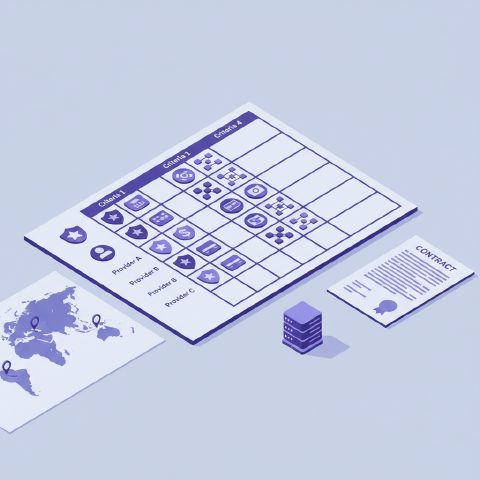 listicle
Best iGaming Software Providers 2026 Compared
Choosing the wrong iGaming software provider in 2026 can cost you six figures and six months. This guide ranks the top platforms by what actually matters to operators: integration depth, licensing fit, payment coverage, and total cost of ownership.
 pillar
iGaming Software Providers Ultimate Guide 2026
Choosing the wrong iGaming software provider is the single most expensive mistake a new operator can make. This guide breaks down every layer of the stack — platform, aggregator, payments, RNG, back-office — so you buy with your eyes open.
 listicle
Best iGaming Software Providers 2026
Choosing the wrong iGaming software provider can quietly cost you six figures before your first player deposits. This cost-and-ROI analysis ranks the top platforms and aggregators by what actually matters: setup fees, monthly burn, revenue share, and realistic break-even timelines.
Get our 2026 cost & licensing breakdown by email.