Gambling License Guide 2026: Every Jurisdiction, Cost, and Trade-Off Operators Need to Know Before You Apply
A jurisdiction-by-jurisdiction breakdown of gambling license costs, timelines, compliance requirements and strategic trade-offs for operators launching or expanding in 2026 — written for founders, not players.
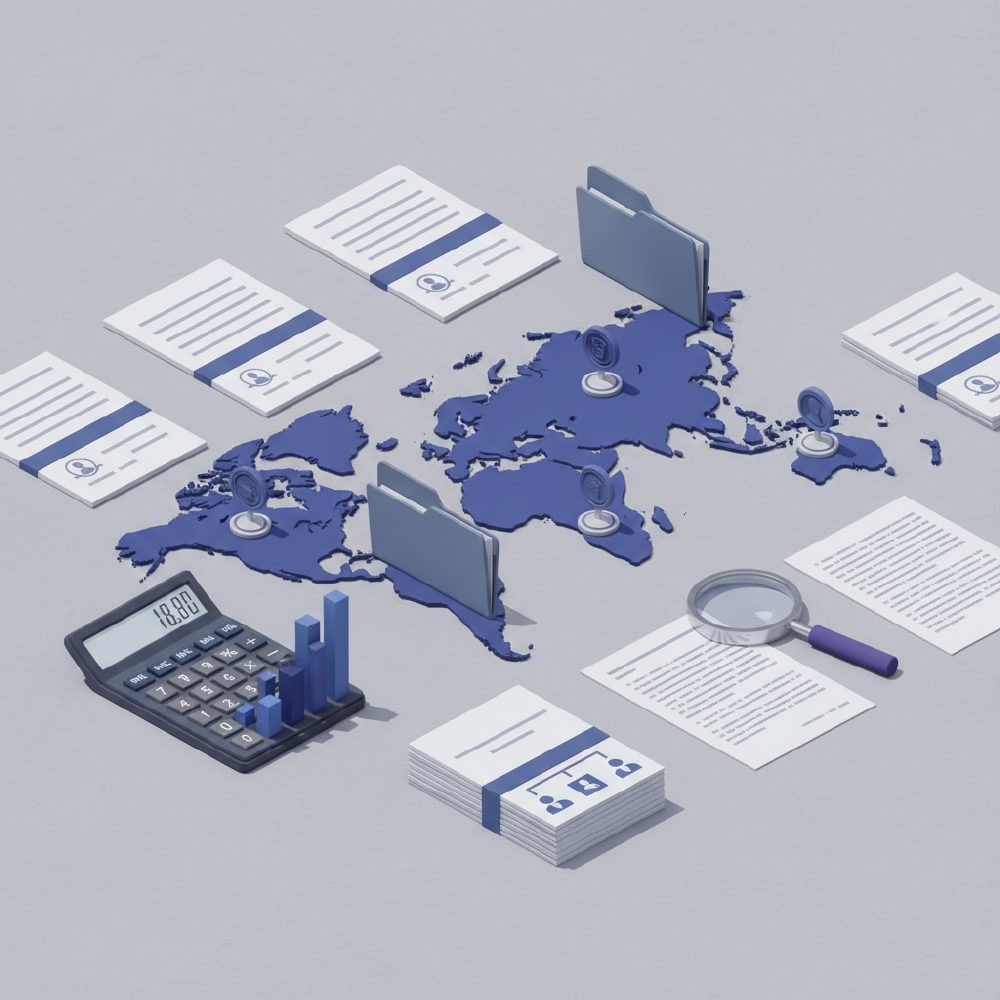
A gambling license is a government-issued authorization that permits you to offer real-money wagering services to players in a defined territory. Without one, you cannot legally operate, and practically speaking, you cannot access reputable payment processors, tier-one game aggregators, or responsible advertising channels — making the license less a legal formality and more the foundation of your entire business model.
The market breaks into four tiers: Tier 1 (UKGC, MGA, Swedish Spelinspektionen) for regulated EU/UK access; Tier 2 (Gibraltar, Isle of Man, Kahnawake) for mid-market credibility; Tier 3 (Curaçao, Anjouan, Panama) for offshore/crypto launches; and US state licenses, which sit in their own category entirely because they're market-access permits, not portable credentials.
License fees themselves are only one-third of the real cost. The true number includes legal and corporate structuring fees, AML/compliance software, technical certification of your platform, ongoing annual fees, and the internal compliance headcount you'll need to stay in good standing. For MGA, operators routinely spend €150,000–€300,000 in year one before accounting for the platform itself.
Every serious jurisdiction requires: a locally incorporated legal entity, proof of financial substance (typically €100,000–£500,000 in liquid capital depending on the regulator), fit-and-proper checks on all beneficial owners and directors, a documented AML/KYC policy, a certified gaming platform, and — in most cases — a local compliance officer or approved management representative.
The 2023 National Ordinance on Offshore Games of Hazard eliminated the old master-license/sub-license structure entirely. Every operator now needs a direct license from the Gaming Control Board (GCB), must incorporate a Curaçao entity, appoint a local representative, and meet technical standards that didn't exist under the old regime. It's still faster and cheaper than MGA, but it's no longer a rubber stamp.
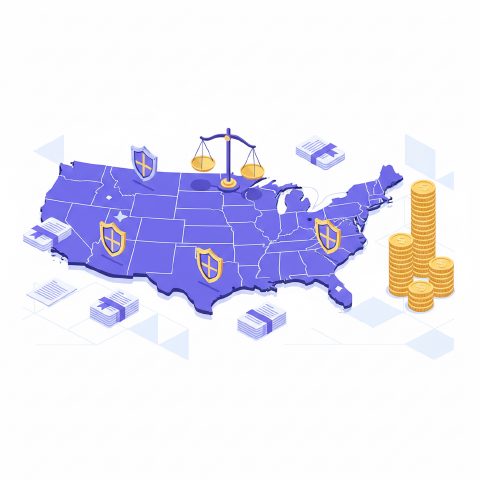
US iGaming licenses are state-by-state market-access permits, not portable credentials. As of 2026, online casino gaming is legal in New Jersey, Pennsylvania, Michigan, Connecticut, Delaware, West Virginia, and Rhode Island. Each state has its own regulator, fee structure, and host-casino requirement. There is no federal online casino license, and operating across state lines without individual state approval is a federal crime.
Anjouan (Comoros) is currently the lowest-cost entry point for crypto-focused operators, with all-in first-year costs around $15,000–$25,000 and a 4–8 week timeline. Isle of Man is the credibility upgrade if you need tier-one crypto payment processors or want to list on major affiliate networks. Curaçao post-reform sits in between — more recognized than Anjouan but more expensive.
A UKGC Remote Operating License requires a UK-incorporated entity (or EEA equivalent), fit-and-proper checks on all PCPs (persons with management control), ring-fenced player funds, GAMSTOP integration, full AML/KYC compliance, and ongoing regulatory returns. It's achievable for well-capitalized new operators, but expect 4–6 months minimum and £150,000–£300,000 in year-one costs.
LATAM is the most fragmented licensing landscape in the world. Colombia (Coljuegos) and Peru (MINCETUR) have established online licensing frameworks. Brazil's federal online gaming regulation went live in 2025 under SEAE/MF oversight. Mexico operates under a federal concession system via SEGOB. Argentina is regulated province-by-province. Each requires local incorporation and local partnerships.
The most common and expensive mistake is choosing a license based solely on cost and speed, then discovering post-launch that the license isn't accepted by your payment processor, game aggregator, or target affiliate network. The second most common mistake is underestimating ongoing compliance costs, which can easily exceed the initial application cost within 18 months.
Tax treatment varies dramatically by jurisdiction and can be the single largest variable in your long-term P&L. Gibraltar's 1% GGR cap, Malta's tiered system (1–5% GGR), and the UK's 21% Remote Gaming Duty are not comparable — and the right choice depends entirely on where your players are located, not where you're incorporated.
Anjouan takes 4–8 weeks. Curaçao post-reform is 2–4 months. MGA and UKGC average 4–6 months for a complete, well-prepared application. US state licenses are 12–24 months minimum. The single biggest cause of delays across all jurisdictions is incomplete or inconsistent documentation — particularly source-of-funds evidence and corporate structure charts.
Explore the launch guides
 geo
geo
How to Start an Online Casino in Colombia Coljuegos
Colombia is one of Latin America's most mature regulated online gambling markets, with Coljuegos issuing licenses since 2016. This guide covers every step an operator needs to launch legally, from incorporation and technical certification to payment stacks and ongoing compliance.
 geo
geo
How to Start an Online Casino in Peru MINCETUR
Peru has one of Latin America's most structured online gambling frameworks, governed by MINCETUR under Legislative Decree 1275. This guide walks operators through the real licensing process, platform choices, payment realities, and the compliance traps that catch first-time entrants off guard.
 geo
geo
How to Start an Online Casino in Brazil 2026 SPA License
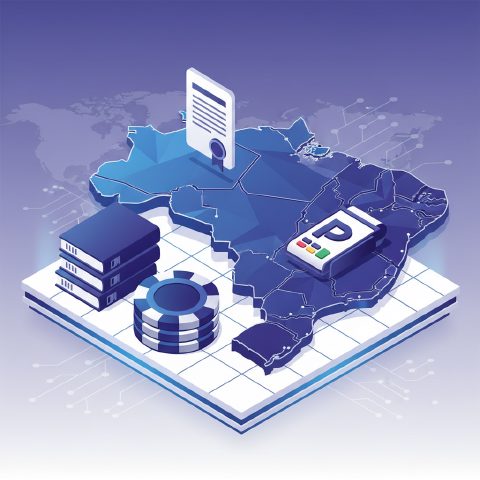
Brazil's regulated online gambling market officially opened in January 2025 under the SPA (Secretaria de Prêmios e Apostas). This guide walks operators through every practical step: licensing, platform selection, payment integration and the real costs behind a compliant Brazilian launch.
 comparison
Gambling License Comparison Curacao vs MGA vs UKGC vs Anjouan
Choosing the wrong gambling license can cost you six figures and six months. This breakdown of Curaçao, MGA, UKGC and Anjouan covers real costs, timelines, payment processor access and the trade-offs most licensing consultants gloss over.
 geo
geo
New Jersey Online Casino License How to Get One
The New Jersey online casino license is one of the most scrutinized operator pathways in the US, and the lessons it holds for anyone planning a Michigan online casino launch in 2026 are direct and expensive to ignore. This guide covers the real costs, timelines, and structural requirements behind regulated US iGaming entry.
 tool
tool
License Finder Quiz Find Your Jurisdiction
Choosing the wrong gambling license before you buy a turnkey iGaming solution can cost you six figures and six months. This quiz-style guide maps your market, budget, and risk appetite to the jurisdiction that actually fits.
 glossary
KYC and AML Compliance for Online Casinos
KYC and AML compliance is no longer a checkbox exercise for online casino operators. This guide breaks down the practical architecture of an igaming fraud prevention solution, from document verification to transaction monitoring, with real provider options, cost ranges and the regulatory triggers that catch operators off guard.
 geo
geo
Anjouan Gaming License Cost and Process
The Anjouan gaming license has become the go-to cheap crypto casino license for operators who want a credible offshore jurisdiction without the Curaçao price tag or the MGA's 12-month runway. This guide covers every cost, step, and platform decision you'll face.
 geo
geo
Curacao Gaming License 2026 New LOK Regime
Curaçao's landmark LOK reform replaced the old master-license sublicense model with direct B2C licensing in 2024-2025. If you're planning a turnkey crypto casino launch in 2026, the rules, costs, and compliance expectations are materially different from anything published before the transition.
 listicle
Cheapest Gambling Licenses 2026 Compared
Licensing is the single biggest variable in your launch budget. This breakdown compares the cheapest gambling licenses available in 2026, what they actually cost, how long they take, and which one makes sense for a turnkey online casino targeting real player markets.
 tool
tool
US iGaming Legal Map Interactive 7 vs 39 States
Only 7 US states permit real-money online casino games as of 2026, while 39 allow sports betting in some form. This interactive legal map breakdown tells you exactly where you can launch, what it costs, and what the regulatory differences mean for your business model.
 geo
geo
US Online Casino Legal States 2026 (7 vs 39)
Only seven US states have active, licensed online casino frameworks in 2026. This guide maps every jurisdiction, breaks down real licensing costs and timelines, and tells you what operators consistently get wrong before they spend a dollar.
 geo
geo
US Online Casino Legal States 2026
Six US states have fully regulated online casino markets in 2026, each with radically different licensing costs, tax structures and revenue ceilings. This is the financial map operators need before committing capital.
Get our 2026 cost & licensing breakdown by email.