How to Start an Online Casino in 2026: The Operator's Honest Blueprint
A step-by-step operator blueprint covering every major decision in launching an online casino in 2026 — from jurisdiction and platform model to payment integration and go-to-market — with real cost ranges and the pitfalls vendors rarely mention.
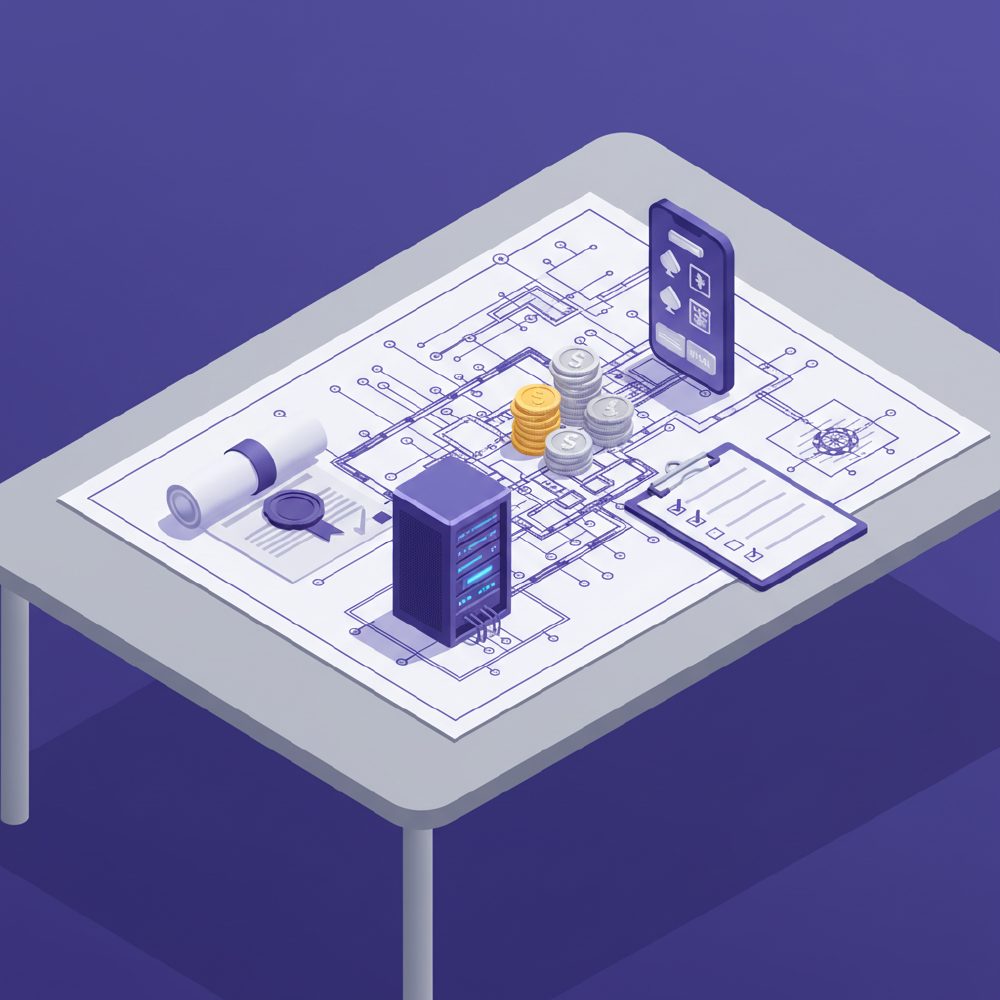
Expect a minimum of $150,000–$250,000 for a lean offshore launch on a white-label platform, and $400,000–$800,000+ for a turnkey build with a Curaçao or Anjouan license. US state-regulated launches are a different category entirely — budget $1M–$5M before your first bet is placed, once you factor in licensing fees, compliance infrastructure and capitalization minimums.
For most first-time operators targeting a global or crypto player base, Curaçao (under the new CGA framework effective 2024) or Anjouan are the practical starting points — fast, affordable, and widely accepted by PSPs and game studios. MGA is the gold standard for European markets but requires 9–18 months and a full compliance infrastructure before you take your first deposit.
White-label is fastest to market (4–8 weeks) and lowest upfront cost, but you sacrifice margin and control permanently. Turnkey gives you a licensed software stack you own or lease outright, with better long-term economics. Custom builds make sense only if you have a clear technical differentiator and $500k+ to spend before generating a dollar of revenue.
Use a game aggregator for launch — it gives you access to 3,000–8,000+ titles from 100+ studios through a single API integration and one contract. Direct studio deals with providers like Pragmatic Play, Evolution or Play'n GO make commercial sense only once you have the volume to negotiate meaningful rev-share reductions, typically above $1M GGR/month.
At minimum: a card acquiring solution (Visa/Mastercard via a casino-approved PSP), at least one alternative payment method relevant to your target market, and a crypto option as a fallback and primary channel for offshore products. The hard part is not knowing which methods to offer — it is getting approved by a PSP that will actually process casino transactions without freezing your funds.
You need a documented AML program, a KYC verification flow (identity, age, source of funds), responsible gambling tools (deposit limits, self-exclusion, reality checks), and geolocation blocking for restricted jurisdictions — all operational before you accept your first deposit. These are not optional extras; they are license conditions and the absence of any one of them is grounds for license suspension.
A white-label launch on Curaçao can realistically go live in 10–16 weeks from the moment you sign contracts and submit your license application simultaneously. A turnkey build takes 5–9 months. Factor in that payment approval, game certification and KYC integration are usually the items that push timelines — not the core platform build.
Affiliate marketing is the dominant acquisition channel for new online casinos — it is performance-based, scales with budget, and the affiliate networks (Income Access, MyAffiliates, TUNE) have deep iGaming expertise. Paid social and search are heavily restricted for gambling; organic SEO and content marketing are the long-term plays that compound over 12–24 months.
The three most expensive mistakes are: underestimating payment infrastructure complexity (leading to launch delays or frozen funds), choosing a white-label platform purely on setup cost without modeling long-term rev-share impact, and launching without a defined target market — trying to serve everyone with a generic product that converts no one.
Most offshore operators structure through a Curaçao or Malta holding company, paying local corporate tax rates (Curaçao: 22% on local profits; Malta: effective 5% after refund mechanism for non-resident shareholders). The critical variable is where your players are located — if you are taking bets from regulated markets like Germany or Sweden, those countries may assert tax jurisdiction regardless of where your company is incorporated.
Explore the launch guides
 geo
geo
How to Start an Online Casino in Europe
Starting an online casino in Europe in 2026 means choosing between a patchwork of national regulators, picking a platform stack that can handle compliance overhead, and building a payment layer that actually converts. This guide covers the real costs, timelines, and trade-offs.
 geo
geo
How to Start an Online Casino in the US 2026
Launching an online casino in the US in 2026 is legally possible in a growing number of states, but the regulatory complexity, capital requirements and timeline will surprise most first-time operators. This guide cuts through the vendor pitch decks to give you a realistic picture.
 comparison
How to Start an Online Casino Like Bet365
Bet365 took two decades and hundreds of millions in capital to become what it is today. This guide strips away the mythology and maps the realistic path for operators who want to build a serious, scalable online casino in 2026 — from licensing and platform choice to payment stack and game content.
 spoke
spoke
Best Countries to Open an Online Casino in 2026
Choosing the right jurisdiction is the single highest-leverage decision you'll make before launch. This guide cuts through the sales pitches and compares the real costs, timelines, and trade-offs across the jurisdictions operators are actually choosing in 2026.
 spoke
spoke
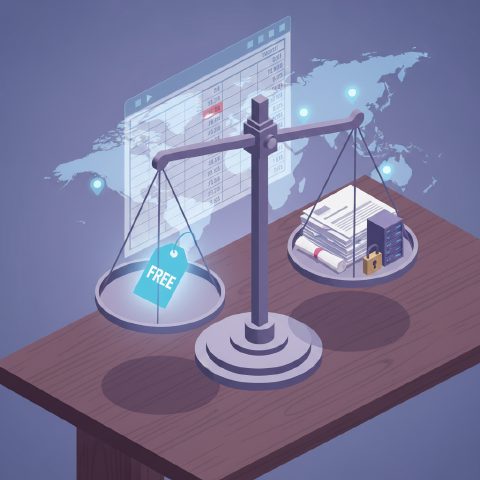
Start Your Own Online Casino for Free Myth vs Reality
The idea of launching an online casino for free sounds appealing — but the reality involves licensing fees, platform costs, and payment integrations that add up fast. Here's an honest breakdown of what you can get for nothing and what will cost you regardless.
 spoke
spoke
Online Casino Business Plan Template and Model
A cost-and-ROI-first online casino business plan framework built for founders and investors who need real budget ranges, licensing costs, revenue share structures and break-even timelines — not a generic template downloaded from a content farm.
 spoke
spoke
How to Open an Online Casino The Complete Guide
Opening an online casino in 2026 means committing $50,000–$500,000+ before you take a single bet — this cost-and-ROI-first guide breaks down every budget line, from licensing to payment processing, so founders know exactly what they're buying.
 pillar
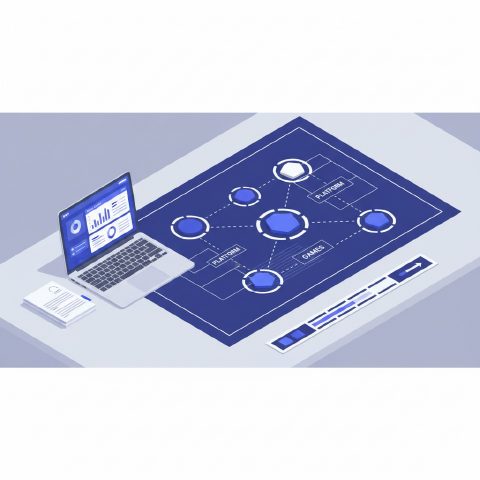
How to Start an Online Casino in 2026 Step-by-Step
Starting an online casino in 2026 costs between $30,000 and $1.5M+ depending on jurisdiction, platform model and market — this step-by-step breakdown gives founders the actual numbers, hidden fees and ROI benchmarks vendors won't put in their sales decks.
 pillar
How to Start an Online Casino
Starting an online casino in 2026 requires $50K–$500K+ in upfront capital depending on your licensing jurisdiction and platform model — this cost-and-ROI analysis breaks down every line item so you can build a realistic business case before you sign a single contract.
Get our 2026 cost & licensing breakdown by email.