Best Casino Game Aggregators for 2026: The Operator's Shortlist

What exactly does a casino games aggregator do — and why does it matter for your launch?
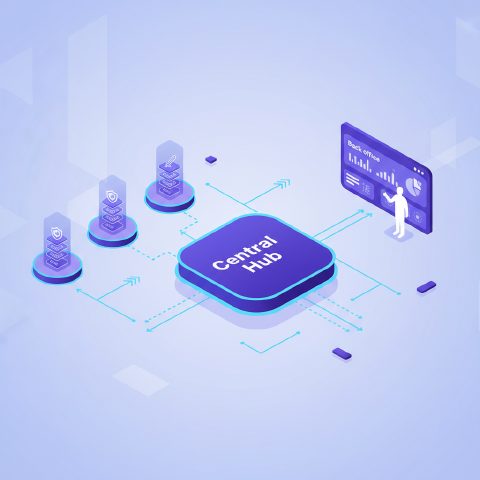
A casino games aggregator sits between your platform and dozens or hundreds of game studios, exposing their content through a single unified API. Instead of negotiating, certifying, and integrating each studio separately — a process that can take 3–6 months per studio — you sign one aggregator contract and get access to their entire certified catalogue from day one.
The practical value is enormous for a new operator. Direct studio integrations require you to pass each provider's KYB process, agree commercial terms, implement their specific API (often poorly documented), and maintain that connection indefinitely. Multiply that by 30 studios and you have a full-time engineering team just keeping the lights on. An aggregator collapses that into one technical touchpoint and, critically, one set of compliance certifications that the aggregator maintains on your behalf.
The cost, though, is real. Aggregators typically charge a platform fee — either a flat monthly SaaS fee, a revenue-share on GGR (usually 2–5%), or a hybrid. That fee stacks on top of whatever the underlying studios charge (typically 10–18% GGR for slots, higher for live dealer). At €500k GGR per month, a 3% aggregator cut is €15k monthly — €180k annually — for what is essentially middleware. At scale, operators with strong negotiating leverage often carve out direct deals with their top five studios and use the aggregator only for the long tail.
Beyond content access, aggregators increasingly bundle bonus engine tools, free-spin management, jackpot networks, and tournament features. Some — like Relax Gaming's Silver Bullet programme — act as a publishing platform that lets you launch proprietary games under your brand through their distribution network. That's a genuinely different value proposition from pure aggregation, and it's worth understanding the distinction before you evaluate platforms.
Which casino game aggregator providers lead the market in 2026?
SoftSwiss Game Aggregator, EveryMatrix CasinoEngine, Relax Gaming, Slotegrator, and Pariplay (now Finnplay) are the most widely deployed platforms among mid-market and enterprise operators as of 2026. Each has a distinct positioning: SoftSwiss dominates crypto/offshore, EveryMatrix leads in regulated EU markets, Relax Gaming is the choice for operators who want proprietary content alongside aggregation.
SoftSwiss Game Aggregator has grown to 23,000+ game titles from 230+ providers and is the default choice for Curaçao and Anjouan-licensed operators building on their platform ecosystem. Their pricing is tied to the broader SoftSwiss platform deal, so standalone aggregator-only contracts are less common — something to clarify early in vendor conversations. Their compliance coverage is strongest in offshore and Eastern European markets; for MGA or UKGC, you'll want to verify studio certifications individually.
EveryMatrix CasinoEngine is the aggregator arm of the EveryMatrix suite and is probably the most mature product for regulated EU operators. It connects to 10,000+ games from 180+ studios and has MGA, UKGC, and several other tier-1 licences covered. Their GameServer product handles RNG certification, game history, and dispute resolution — which matters enormously if you're operating under a strict regulator. The trade-off is pricing: EveryMatrix is not cheap, and their contracts tend to be multi-year with meaningful minimum commitments.
Relax Gaming occupies a unique position. Yes, they aggregate third-party content (their 'Powered By Relax' and 'Silver Bullet' programmes), but they're primarily a studio — producing titles like Money Train 3 and Deadwood. Operators who integrate Relax get both proprietary Relax games and access to partner studio content in one connection. If your player base skews toward high-volatility slots from boutique studios, Relax's curation is genuinely better than a raw count comparison suggests.
Slotegrator is the budget-friendly option that comes up constantly in LATAM, CIS, and Asian market launches. Their APIgrator product connects to 9,000+ games and their licensing support services make them popular with first-time operators. Quality of integration documentation and support response times have historically been inconsistent — I've heard this from multiple operators — so factor in extra QA time if you go this route. Pariplay (now operating under the Finnplay umbrella post-acquisition) is worth a look for operators targeting Nordic and Baltic markets specifically.
| Aggregator | Game Count (approx.) | Key Regulated Markets | Pricing Model | Best Fit |
|---|---|---|---|---|
| SoftSwiss Game Aggregator | 23,000+ | Curaçao, Anjouan, some EU | Bundled with platform / rev-share | Crypto, offshore, turnkey operators |
| EveryMatrix CasinoEngine | 10,000+ | MGA, UKGC, DSWV, SGA | SaaS + rev-share hybrid | Regulated EU operators, enterprise |
| Relax Gaming | 4,000+ (curated) | MGA, UKGC, DGA, SGA | Rev-share (studio + aggregation) | Operators wanting proprietary + aggregated content |
| Slotegrator APIgrator | 9,000+ | Curaçao, CIS, LATAM | Per-game licence + rev-share | Budget launches, LATAM, CIS markets |
| Pariplay (Finnplay) | 7,000+ | MGA, UKGC, Nordic states | Rev-share + monthly minimum | Nordic/Baltic regulated operators |
| Hub88 | 10,000+ | MGA, Curaçao, PAGCOR | Rev-share, flexible tiers | Asia-facing operators, mid-market |
What does a casino aggregator platform actually cost — and what do vendors hide in the contract?
Total aggregator cost has three layers: the platform fee (flat monthly or % GGR), the underlying studio royalties passed through to you, and hidden costs like certification fees, currency conversion margins, and minimum monthly guarantees. Most operators budget for the first layer and get surprised by the second and third.
Studio royalties are almost always pass-through costs — the aggregator collects from you and remits to the studio. For video slots, expect 10–15% GGR; for live dealer (which most aggregators don't actually aggregate — more on that below), 15–20%. The aggregator's own margin sits on top: typically 2–4% GGR for mid-market platforms, sometimes as low as 1.5% if you're doing meaningful volume. Some aggregators charge a flat monthly fee (€3k–€15k/month is a common range for mid-tier platforms) and waive the GGR override — that model is better for high-volume operators and worse for early-stage ones.
The hidden costs that bite operators: certification and compliance fees (some aggregators charge per-jurisdiction certification, which can run €2k–€10k per market), currency conversion spreads on settlements (if your players deposit in BRL or MXN and the aggregator settles in EUR, that spread is real money), and minimum guarantee clauses. A minimum monthly guarantee of €5k sounds manageable until you're six months into a soft launch and haven't hit your traffic targets yet.
One thing worth flagging: aggregator contracts routinely include exclusivity or preferential treatment clauses for their own proprietary games — meaning their in-house studios get featured placement or you pay a lower rev-share on their titles. That's not necessarily bad, but read the clause carefully. If their proprietary games are weak, you're paying a structural penalty for not featuring them prominently.
My general advice: get three competing term sheets before signing anything. The market is competitive enough that you can negotiate — especially on the minimum guarantee and the GGR floor rate. If a vendor tells you their pricing is non-negotiable, that's a red flag about how they'll behave as a long-term partner.
Does a casino games aggregator cover live dealer content, or do you need a separate deal?
Most casino game aggregators do not aggregate live dealer content in the same way they aggregate slots — Evolution Gaming, Pragmatic Play Live, and Ezugi all require direct commercial agreements. Some aggregators (EveryMatrix, Hub88) have negotiated sub-licensing arrangements, but live dealer rev-share is almost always higher and more tightly controlled by the studios themselves.
Evolution Gaming is the 800-pound gorilla here. They account for a disproportionate share of live casino GGR across most regulated markets, and they do not wholesale their content through third-party aggregators on standard terms. You will need a direct Evolution agreement, which means passing their KYB process, meeting their minimum volume commitments, and accepting their pricing — which is non-trivial. Pragmatic Play Live is more aggregator-friendly and does appear in several aggregator catalogues, but check the specific terms; sub-licensing arrangements sometimes come with geographic restrictions.
Hub88 is one of the aggregators that has done the most work to include live dealer content — they have agreements with Pragmatic Play Live, Ezugi, and several Asian live studios. If live dealer is central to your product (which it should be if you're targeting any market where table games drive 30%+ of GGR), Hub88 is worth evaluating specifically for this. EveryMatrix also has live dealer access through their CasinoEngine but the terms vary by market.
The practical implication for your launch plan: budget for a separate live dealer integration timeline. Even if your aggregator has a live deal, the compliance and commercial process for live studios typically runs 4–8 weeks longer than for RNG slots. Start those conversations early — ideally before you've signed your aggregator contract, so you know what you're actually getting.
How do aggregator compliance certifications work — and which jurisdictions create problems?
An aggregator's compliance certifications determine which licensed markets you can legally offer their games in. MGA, UKGC, NJDGE, and Pennsylvania GCB all require that game suppliers — including aggregators acting as distributors — hold approved supplier status in that jurisdiction. Offshore licences like Curaçao are far more permissive, which is why aggregator options are broader there.
In the US, this is where most operators get caught out. New Jersey's Division of Gaming Enforcement (NJDGE) requires every game supplier and every aggregator to hold a transactional waiver or full supplier licence before their content can appear on a licensed NJ casino platform. The list of approved suppliers is public, and it's shorter than most operators expect. Pennsylvania's Gaming Control Board (PGCB) has similar requirements. If you're building for the US regulated market, your aggregator shortlist shrinks dramatically — and you should be working from the approved supplier list backwards, not from a vendor sales deck forwards.
For MGA (Malta), the situation is more nuanced. The MGA requires that B2B suppliers serving MGA licensees hold a B2B Critical Gaming Supply licence. Most major aggregators have this, but smaller or newer platforms may not. UKGC has its own Operating Licence requirement for software suppliers. The good news is that EveryMatrix, Relax Gaming, and a handful of others have done the regulatory groundwork across multiple tier-1 jurisdictions — so if you're building for EU regulated markets, you're not starting from scratch.
LATAM is fragmented. Colombia (Coljuegos), Peru (MINCETUR), and Mexico (SEGOB/Dirección General de Juegos y Sorteos) each have their own supplier approval processes, and none of them are fast. Argentina is a patchwork of provincial regulators. In practice, most LATAM operators launch under Curaçao and pursue local licences as a second phase — meaning their aggregator choice at launch is driven by Curaçao compliance, not local regulatory requirements. That changes the calculus significantly.
| Jurisdiction | Regulator | Aggregator Requirement | Key Compliant Platforms | Typical Approval Timeline |
|---|---|---|---|---|
| Malta | MGA | B2B Critical Gaming Supply Licence | EveryMatrix, Relax Gaming, Pariplay | 3–6 months |
| UK | UKGC | Software Supplier Operating Licence | EveryMatrix, Relax Gaming, Hub88 | 4–6 months |
| New Jersey (US) | NJDGE | Transactional Waiver / Supplier Licence | Limited — verify current approved list | 6–12 months |
| Curaçao | GCB (post-2024 reform) | Sub-licence or own B2B licence | SoftSwiss, Slotegrator, Hub88, most major platforms | 4–8 weeks |
| Colombia | Coljuegos | Local supplier registration | Limited — verify with Coljuegos directly | 3–9 months |
| Anjouan | AGSC | Operator licence covers content | SoftSwiss, Slotegrator | 2–6 weeks |
What should you look for in an aggregator's API and back-office — beyond the game count?
Game count is the number vendors lead with because it's easy to compare. What actually drives operator outcomes is API stability, RGS uptime SLAs, back-office reporting granularity, bonus tool compatibility, and the quality of game history and dispute resolution tooling. These are harder to evaluate from a sales deck but far more consequential once you're live.
Start with the RGS uptime SLA. A well-run aggregator should be guaranteeing 99.9% uptime or better — that's roughly 8.7 hours of downtime per year. Some smaller platforms offer 99.5%, which sounds fine until you do the math: that's 43 hours of potential downtime annually. During peak hours on a Saturday night, an hour of downtime on your games is a material revenue event. Get the SLA in writing and ask for historical uptime reports from the last 12 months.
Back-office reporting is where operators consistently underestimate their needs. You want game-level GGR reporting, session-level data, RTP monitoring, and the ability to segment by player cohort and traffic source. Some aggregators give you a basic dashboard that's fine for month-end accounting and useless for actual product decisions. Others — EveryMatrix is strong here — give you data granular enough to run A/B tests on game lobby placement. Ask for a back-office demo, not just a slide deck.
Bonus tool compatibility is increasingly important. If your platform runs free spins, reload bonuses, or tournament mechanics, you need the aggregator's games to support the relevant bonus API calls — free spin awards, wager contribution tracking, max-bet enforcement. Not all games in an aggregator's catalogue support all bonus features, and the ones that don't create compliance headaches and player complaints. Ask for a specific list of which games support your bonus stack before you commit.
Finally, game history and dispute resolution. Regulators require you to maintain game round history for a minimum period (typically 5–10 years depending on jurisdiction). The aggregator should be providing this data in an auditable format, and their dispute resolution process should be documented. This is the kind of operational detail that never comes up in a sales call and becomes a crisis the first time a player disputes a round outcome.
How does an aggregator relationship work if you're on a white-label or turnkey platform?
Most white-label and turnkey casino platforms — SoftSwiss, EveryMatrix, Digitain, BetConstruct — bundle aggregator access as part of the platform deal. You're not signing a separate aggregator contract; you're accessing the platform's pre-negotiated studio agreements. That simplifies launch but limits your ability to negotiate direct studio deals or switch aggregators later.
The bundled model is genuinely convenient at launch. You get a single contract, a single technical integration, and a single point of contact for content issues. SoftSwiss's turnkey product, for example, gives you their Game Aggregator's full catalogue as part of the platform fee — you don't need to think about aggregator selection at all. For a first-time operator with limited technical resources, that's a real advantage.
The downside becomes apparent at scale. When you're generating meaningful GGR, you'll want to negotiate direct deals with your top studios — Evolution, Pragmatic Play, NetEnt — because the aggregator's pass-through rate will be higher than what you'd pay direct. Most white-label contracts have clauses about how direct studio deals interact with the platform's existing agreements. Some platforms actively discourage or contractually restrict direct deals during the initial contract term. Read that section carefully.
There's also a competitive intelligence issue. When you're on a white-label platform, the platform operator can see your game performance data. That's not necessarily malicious, but it's worth being aware of — especially if the platform also operates its own consumer-facing brands, which several do. EveryMatrix, to their credit, has a clear policy on data separation between their B2B and B2C operations. Others are less transparent about this.
Which aggregator is best for crypto and offshore casino operators launching in 2026?
SoftSwiss Game Aggregator is the default recommendation for crypto-native and Curaçao/Anjouan-licensed operators, primarily because their platform ecosystem is purpose-built for this segment and their studio roster reflects it. Slotegrator is a credible budget alternative. Hub88 is worth evaluating if you have a significant Asian player base.
SoftSwiss has processed billions in crypto casino volume and their aggregator reflects that: multi-currency settlement including BTC, ETH, USDT, and a growing list of altcoins; studios that have certified their games for crypto-denominated play; and a compliance framework calibrated for Curaçao's post-2024 reformed licensing regime. If you're building on their SOFTSWISS Casino Platform, the aggregator integration is essentially zero additional work. If you want standalone aggregator access without the full platform, that's a harder conversation — they prefer the full-stack relationship.
Slotegrator's APIgrator is genuinely useful for operators who want to source their own platform technology (or build custom) but need a content layer. Their pricing is more transparent than most, their onboarding is faster, and they've built specific expertise in markets like Ukraine, Kazakhstan, and Brazil that larger platforms sometimes neglect. The trade-off is that their enterprise support and SLA enforcement are weaker than SoftSwiss or EveryMatrix — something to factor in if you're expecting significant volume.
One thing crypto operators often overlook: provably fair games. A meaningful segment of crypto casino players specifically seek out provably fair mechanics, and not all aggregators carry studios that offer this. Spribe (Aviator) and BGaming have provably fair games in several aggregator catalogues, but coverage is inconsistent. If provably fair is part of your product positioning, verify specific game availability before you sign.
How long does it take to integrate a casino aggregator and go live with games?
Technical integration with a modern aggregator API typically takes 4–8 weeks for an experienced development team. Total time to live games — including commercial negotiations, KYB, compliance review, and QA — is more realistically 8–16 weeks. Operators consistently underestimate the non-technical steps.
The API integration itself is not the bottleneck. Most aggregators provide REST or GraphQL APIs with decent documentation, sandbox environments, and integration support. A competent backend team can implement game launch, wallet transactions, and game history endpoints in three to four weeks. The QA and certification phase — verifying that your wallet integration handles all edge cases correctly — adds another two to three weeks if done properly.
What takes longer is everything else. The aggregator's KYB process for new operators typically requires corporate documentation, beneficial ownership disclosure, proof of licence, and sometimes a site audit. This process runs 2–4 weeks at most aggregators, longer at the more regulated-market-focused ones. Then there's the commercial negotiation — which, if you're a new operator without leverage, may be a take-it-or-leave-it process, but still requires legal review of a contract that's often 40+ pages.
If you're on a white-label platform, much of this is compressed because the platform has already done the aggregator integration and the KYB is handled as part of your operator onboarding. In that case, you can realistically have games live in 2–4 weeks from contract signing. That speed advantage is one of the genuine arguments for white-label over custom builds for operators who want to move fast.
What are the biggest mistakes operators make when choosing a casino aggregator platform?
The three most common mistakes: choosing on game count rather than studio quality for your specific market, failing to negotiate the minimum guarantee clause, and not verifying compliance certification for your target jurisdiction before signing. A fourth — and increasingly common — mistake is not testing the back-office and reporting tools until after go-live.
Game count is a marketing number. An aggregator with 23,000 games sounds better than one with 7,000, but if 15,000 of those games are from studios your target players have never heard of, the count is noise. What matters is whether the aggregator has direct agreements with the studios that drive GGR in your market. For a German-market operator, that means NetEnt, Play'n GO, and Pragmatic Play. For a Brazilian operator, it means Pragmatic Play, Spribe, and a handful of live studios. Do the studio-level due diligence, not the headline count comparison.
The minimum guarantee clause is the most common contract trap I see operators walk into. A €5k/month minimum sounds fine at the term sheet stage; at month four of a soft launch with 200 active players, it's a meaningful cash drain. Push back on this clause hard — ask for a ramp period (zero minimum for the first six months, scaling up thereafter) or a lower absolute floor. Most aggregators will negotiate this if you push.
Compliance verification is where the real expensive mistakes happen. I've spoken to operators who signed an aggregator contract, built their platform, applied for their MGA licence, and then discovered that the aggregator didn't hold a valid MGA B2B licence — or that specific studios in the catalogue weren't certified for their jurisdiction. The fix is painful: either switch aggregators mid-build or launch without the content you planned. Verify jurisdiction-by-jurisdiction, studio-by-studio, before you sign anything.
- SoftSwiss Game Aggregator — Best for crypto-native and offshore operators. 23,000+ games, multi-currency settlement including major cryptocurrencies, tightly integrated with the SoftSwiss Casino Platform. Pricing is bundled with the broader platform deal. Strongest in Curaçao, Anjouan, and CIS markets.
- EveryMatrix CasinoEngine — Best for regulated EU operators. 10,000+ games, MGA and UKGC certified, strong back-office reporting and data tools. Multi-year contracts with minimum commitments — not the cheapest option, but the most mature product for tier-1 regulated markets.
- Relax Gaming — Best for operators who want proprietary high-volatility slots alongside third-party aggregation. Silver Bullet and Powered By Relax programmes add unique content distribution options. MGA and UKGC certified. Rev-share model with studio royalties passed through.
- Slotegrator APIgrator — Best budget option for LATAM, CIS, and first-time operators. 9,000+ games, faster onboarding than enterprise platforms, licensing support services available. Support quality and SLA enforcement are weaker than tier-1 platforms — factor in extra QA time.
- Hub88 — Best for Asia-facing and mid-market operators needing live dealer coverage. 10,000+ games, PAGCOR-compliant content, Pragmatic Play Live and Ezugi included. Flexible rev-share tiers make it accessible for operators at various volume levels.
- Pariplay (Finnplay) — Best for Nordic and Baltic regulated markets. 7,000+ games, MGA and UKGC certified, strong studio relationships with Scandinavian-popular providers. Post-Finnplay acquisition, the product roadmap is worth monitoring — integration of the two platforms is still ongoing as of 2025.




Comments
No comments yet, be the first.